


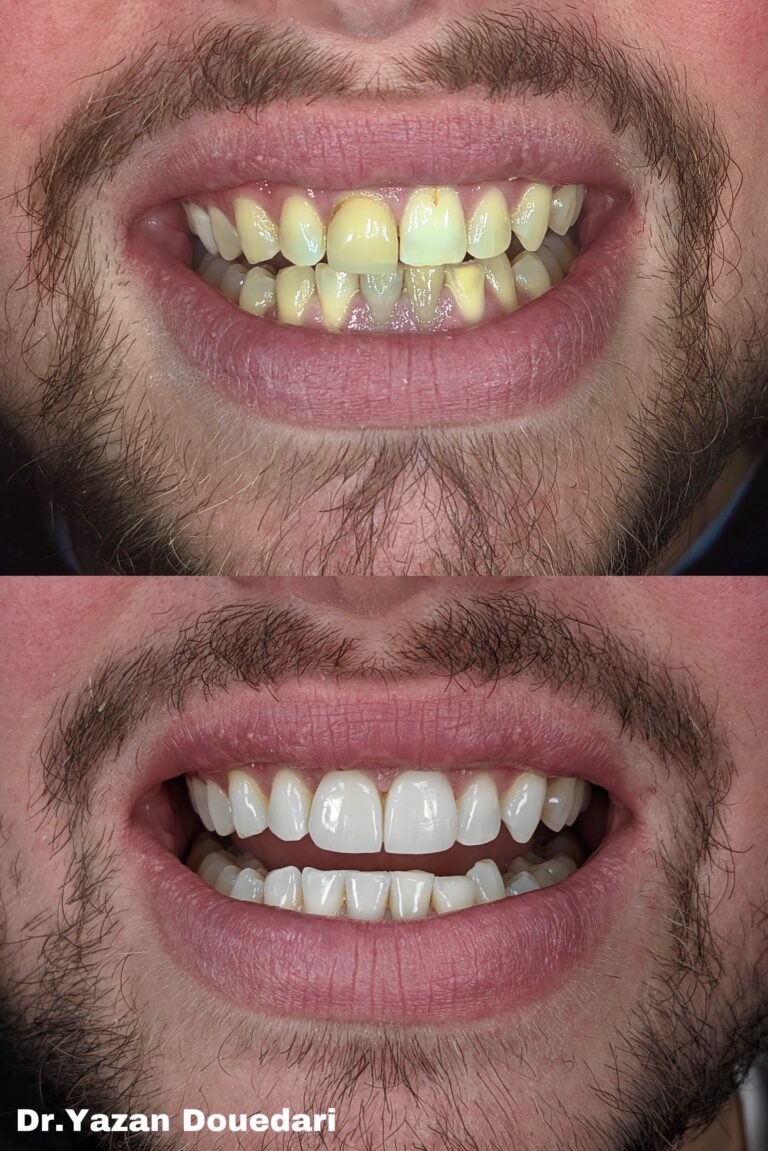
If you are missing one or more teeth and want a confident bite in time for winter gatherings, autumn is the ideal season to plan dental implants. Timelines are realistic, diaries are steadier after summer, and you can complete the essential assessments before year end.
This guide walks you through candidacy, modern planning with CBCT imaging, what to expect on surgery day, healing and osseointegration, and your restoration options. We also address longevity, maintenance, common worries, travel-abroad pitfalls, finance, and where our team’s hospital-level experience makes a difference.
Most healthy adults are potential candidates. Suitability is confirmed at consultation and includes:
Medications such as bisphosphonates, some cancer therapies, or immunosuppressants need careful assessment. You will receive an individualised risk profile before any decision.
A cone beam computed tomography (CBCT) scan gives a 3D view of bone height, width, density, and proximity to anatomical structures such as the maxillary sinus or inferior dental nerve. We use the scan to:
This planning greatly reduces surprises on the day and supports a more comfortable, quicker appointment.
Your appointment is typically carried out under local anaesthetic. For anxious patients or complex cases, IV sedation can be arranged; some cases are managed in a hospital setting by clinicians with oral surgery backgrounds. The steps are:
Most patients report pressure and vibration rather than sharp pain. Afterwards you may feel mild soreness or swelling for a few days, usually well managed with over-the-counter analgesics and cold compresses.
Osseointegration is the process by which bone bonds to the titanium surface. This typically takes six weeks to several months, depending on bone quality, the site, whether grafting was added, and your general health. During this period you will avoid heavy biting on the area, follow a soft diet initially, and keep the site meticulously clean with tailored hygiene advice.
Once healed, a custom restoration completes the tooth replacement:
Your choice balances chewing goals, aesthetics, maintenance preferences, and budget.
The most uncomfortable part is usually the first 24 to 48 hours after surgery, when swelling peaks. With planned analgesia, icing, and rest, most patients are surprised how manageable it is. Stitches can feel a little tight for a few days. If a bone graft or sinus lift is included, expect slightly more fullness and a longer soft diet phase. Your team will give you clear written aftercare and direct contact details.
Well cared-for implants can function for decades. After 20 years, many implants still perform well when:
Components like screws or crowns may need periodic service or replacement over time, which is normal wear and tear. Early intervention protects the underlying implant.
In the UK, fees vary by region, materials, and case complexity. Costs typically include consultation and planning, CBCT imaging if indicated, surgery, any grafting, parts, and the final restoration. Complex multi-tooth or full-arch treatments cost more than a single implant. Finance options, including 0 percent interest subject to status, can help you spread the cost. For preventive budgeting, some patients also join membership plans such as Denplan Essentials for ongoing check-ups and hygiene, which support long-term implant health. You can read about membership options on our Denplan page.
For local context and to discuss a tailored plan with an implant dentist in Thames Ditton and Esher, you can explore our pages on dental implants in Esher and our main site for implant care and referrals.
Lower fees overseas often reflect differences in overheads, currency, and follow-up pathways. Risks to consider:
If you do travel, insist on full documentation of implant brand, sizes, lot numbers, and a clear UK-based maintenance plan. Many patients prefer UK care for continuity, accountability, and easier access to their surgical team.
At Weston Cottage Dental, implant care is led by experienced clinicians. Dr Asad Lallo focuses on implants and aesthetic dentistry, while Dr Fahad Jamil brings hospital-level oral surgery and sedation experience for complex cases. CBCT-guided planning, gentle technique, and clear communication underpin every stage. Referrals from nearby practices are welcomed, and anxious patients are supported with sedation options where appropriate.
Start with a comprehensive implant consultation and CBCT-guided plan tailored to your bite, health, and goals. To book directly or refer a case, contact Weston Cottage Dental in Thames Ditton. Our team will outline options, timelines, and finance clearly so you can move forward with confidence this autumn.